



How to Identify a Real HEPA Filter? Complete Buyer’s Guide for Authentic HEPA Filtration
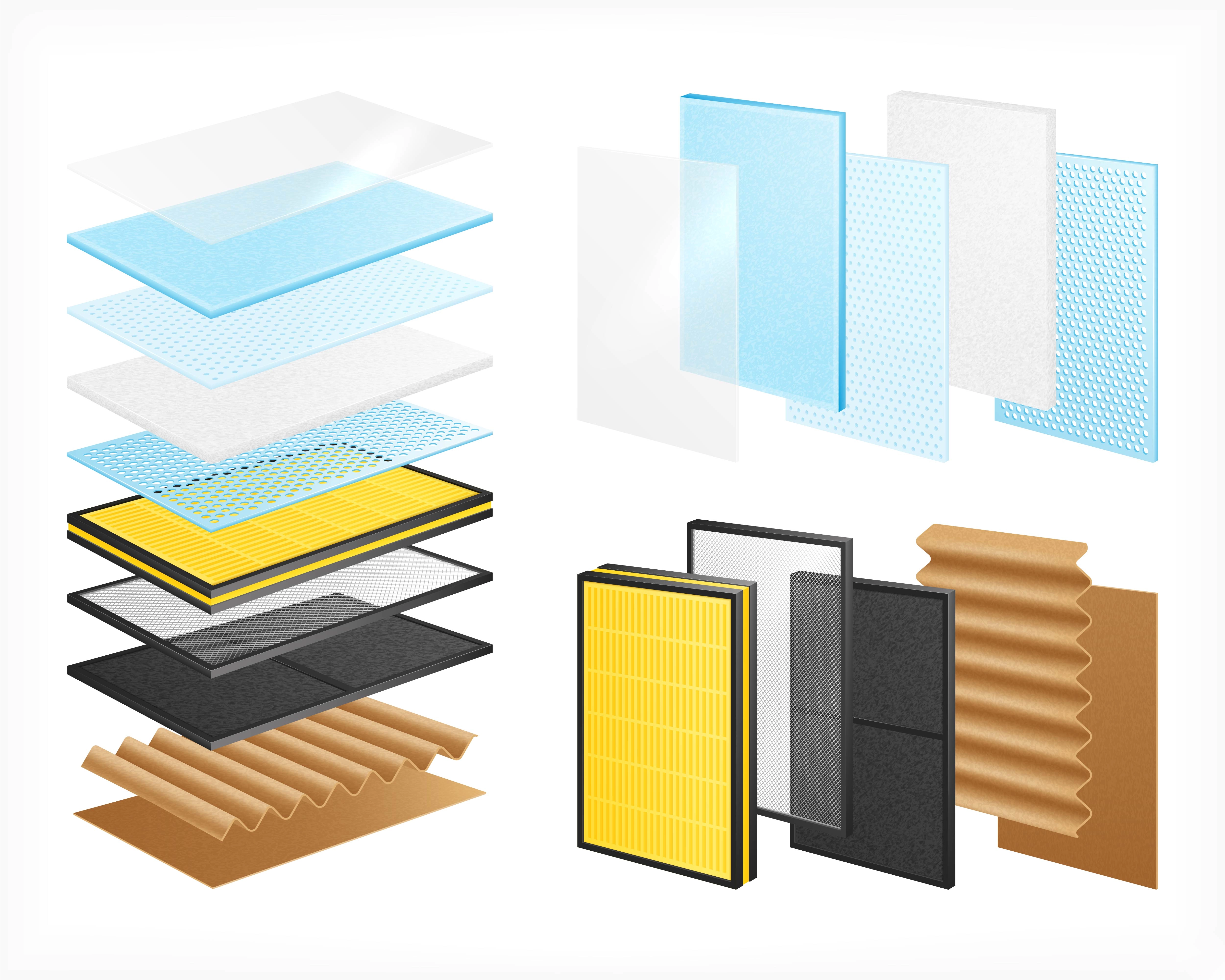
How to Identify a Real HEPA Filter?
Air quality has become one of the most important concerns for both residential and industrial environments. As awareness of airborne contaminants increases, HEPA filters have become a preferred solution for cleaner indoor air. However, not every filter marketed as “HEPA” actually meets true HEPA standards.
Many low-quality products use the term “HEPA-like” or “HEPA-type” without providing certified filtration performance. This creates confusion for buyers and may lead to poor air purification results.
To explore professional HEPA filtration solutions in detail, visit:
https://safeairfiltre.com/en/hepa-filters
What Is a True HEPA Filter?
A true HEPA filter is designed to capture at least 99.97% of airborne particles that are 0.3 microns in size. This standard is internationally recognized and widely used in hospitals, laboratories, cleanrooms, and industrial ventilation systems.
The 0.3-micron particle size is considered one of the most difficult particle sizes to filter effectively. If a filter can capture particles at this level, it can usually capture both larger and smaller particles efficiently.
Common Particles Captured by HEPA Filters
- Dust and fine particles
- Pollen and allergens
- Mold spores
- Bacteria
- Smoke particles
- Microscopic airborne contaminants
Why Fake HEPA Filters Are a Problem
Fake or uncertified HEPA filters may look similar to genuine products, but their filtration efficiency can be significantly lower.
Using low-quality filters may cause:
- Poor indoor air quality
- Increased allergen exposure
- Reduced HVAC efficiency
- Higher maintenance costs
- Unsafe environments in sensitive areas
This is why understanding how to identify a real HEPA filter is extremely important.
1. Check for HEPA Certification Standards
The easiest way to identify a real HEPA filter is by checking its certification.
Professional HEPA filters are usually tested according to international standards such as EN1822 or ISO classifications.
Important Standards to Look For
- EN1822 Certification
- ISO compliance
- H13 or H14 classification
- Manufacturer test reports
If a filter does not provide clear certification details, it may not be a genuine HEPA product.
2. Look for H13 or H14 HEPA Class Ratings
True HEPA filters are commonly classified as H13 or H14 according to European standards.
HEPA Class Comparison
- H13: Captures 99.95% of particles
- H14: Captures 99.995% of particles
Products that only mention “HEPA-like” or “HEPA-style” without class ratings should be approached carefully.
3. Examine Product Documentation
Reliable manufacturers provide detailed technical documentation for their HEPA filters.
Documents You Should Expect
- Technical datasheets
- Efficiency test reports
- Airflow specifications
- Pressure drop values
- Certification documents
Professional suppliers are transparent about filter performance and testing.
4. Evaluate Build Quality and Materials
Real HEPA filters are manufactured using high-quality microfiber materials and durable frames.
Cheap products often use weak materials that can lead to air leakage or reduced filtration performance.
Signs of a Quality HEPA Filter
- Strong frame construction
- Professional sealing system
- Uniform filter media
- Leak-resistant design
Physical quality often reflects overall filtration reliability.
5. Avoid Misleading Marketing Terms
Some manufacturers use terms such as:
- HEPA-type
- HEPA-style
- HEPA-like
- 99% filtration
These phrases do not necessarily mean the product meets true HEPA standards.
A genuine HEPA filter should clearly specify certified filtration efficiency and testing standards.
6. Verify Airflow and Pressure Performance
A real HEPA filter should provide balanced airflow while maintaining high filtration efficiency.
Filters with poor airflow performance may increase system pressure and reduce HVAC efficiency.
Why This Matters
- Improves energy efficiency
- Protects ventilation systems
- Maintains stable air circulation
- Supports long-term system performance
7. Buy from Trusted Manufacturers
One of the safest ways to ensure authenticity is purchasing from professional and experienced filtration manufacturers.
Established suppliers usually provide:
- Certified products
- Technical support
- Warranty coverage
- Quality assurance
- Long-term reliability
Advantages of Using Genuine HEPA Filters
- Cleaner indoor air quality
- Reduced airborne contamination
- Better protection for sensitive environments
- Improved HVAC system performance
- Lower long-term maintenance costs
- Enhanced health and safety conditions
Make Smarter HEPA Filter Decisions
Choosing a genuine HEPA filter is essential for achieving proper air purification and long-term system efficiency. Certifications, filtration ratings, material quality, and trusted manufacturers should always be considered before purchasing.
Using certified HEPA filters not only improves indoor air quality but also protects people, equipment, and ventilation systems.
Explore professional HEPA filtration products here:
https://safeairfiltre.com/en/hepa-filters
Contact
If you need expert support for selecting the right HEPA filtration solution, contact the professional team here:
https://safeairfiltre.com/en/contact


Where is Bag Filter Used

