



What Is a HEPA Filter? Complete Guide to Clean Air & Air Filtration Systems
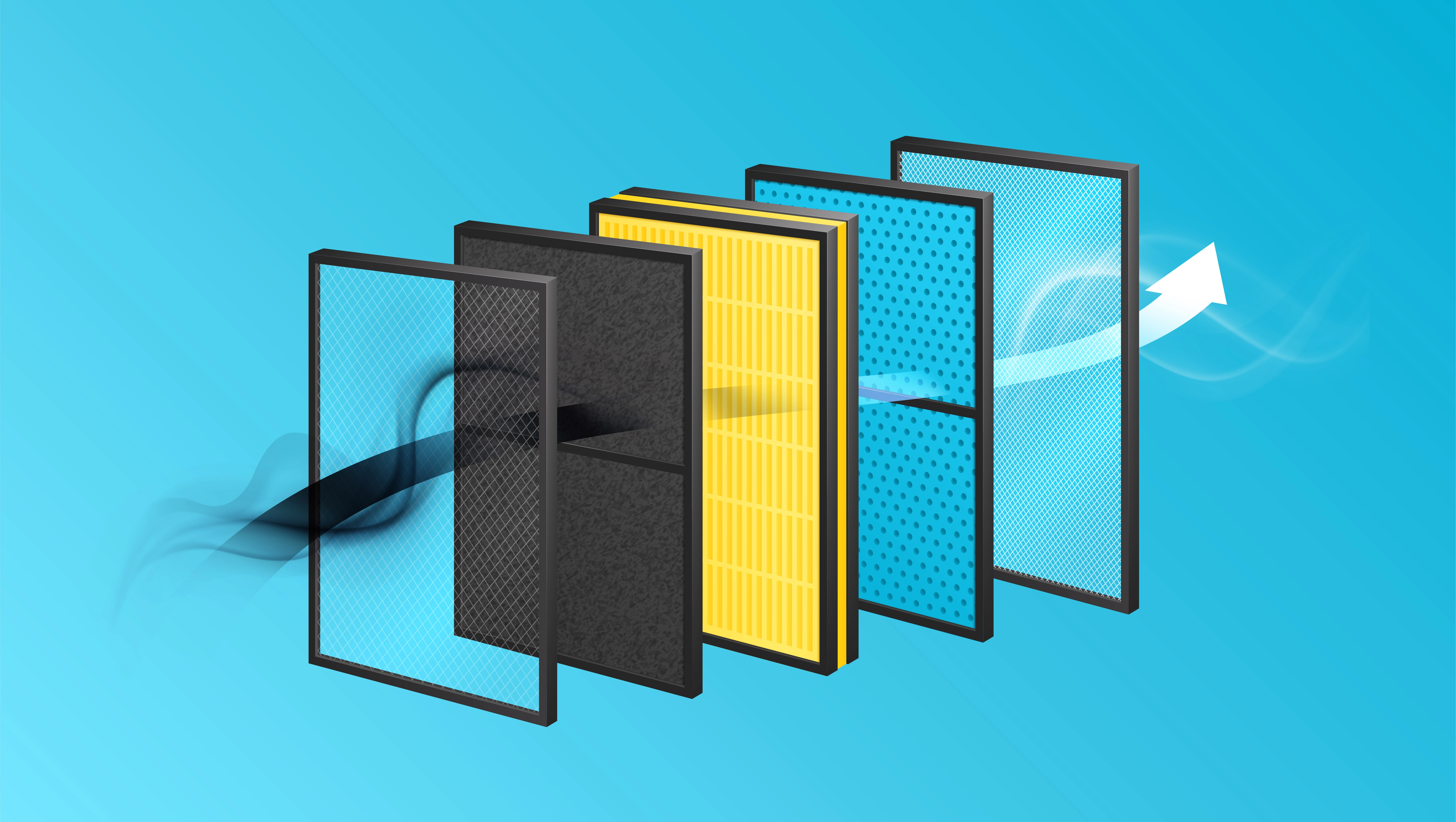
<h2>What Is a HEPA Filter?</h2>
<p>Indoor air quality has become one of the most important factors in modern living and industrial environments. From hospitals and laboratories to production facilities and commercial buildings, clean air systems play a critical role in protecting human health and maintaining operational efficiency.</p>
<p>Among advanced air filtration technologies, HEPA filters stand out as one of the most effective solutions for removing harmful airborne particles. These high-performance filters are designed to capture microscopic contaminants and significantly improve indoor air quality.</p>
<p>For more detailed information about HEPA filtration systems, you can visit:
<a href="https://safeairfiltre.com/en/hepa-filters">https://safeairfiltre.com/en/hepa-filters</a></p>
<h3>What Does HEPA Mean?</h3>
<p>HEPA stands for “High Efficiency Particulate Air.” A true HEPA filter is capable of capturing at least 99.97% of airborne particles that are 0.3 microns in size.</p>
<p>This filtration efficiency makes HEPA filters highly effective in environments where air cleanliness and contamination control are essential.</p>
<h3>How Does a HEPA Filter Work?</h3>
<p>HEPA filters do not simply work like standard mesh filters. Instead, they use a dense network of fine fibers to trap particles through multiple mechanisms:</p>
<ul>
<li><strong>Interception:</strong> Particles moving with airflow stick to filter fibers.</li>
<li><strong>Impaction:</strong> Larger particles collide directly with fibers and become trapped.</li>
<li><strong>Diffusion:</strong> Extremely small particles move randomly and attach to the filter media.</li>
</ul>
<p>Thanks to this advanced filtration structure, HEPA filters can remove dust, pollen, bacteria, mold spores, and other airborne contaminants with exceptional efficiency.</p>
<h2>Where Are HEPA Filters Used?</h2>
<p>HEPA filters are widely used across many industries and environments where clean air standards are required.</p>
<h3>Hospitals and Healthcare Facilities</h3>
<p>Operating rooms, intensive care units, and sterile environments rely heavily on HEPA filtration systems to minimize airborne contamination and improve patient safety.</p>
<h3>Cleanroom Applications</h3>
<p>Industries such as pharmaceuticals, electronics manufacturing, and semiconductor production require strict contamination control. HEPA filters are essential components of cleanroom systems.</p>
<h3>Industrial Production Facilities</h3>
<p>Manufacturing plants often generate dust and microscopic particles during production processes. HEPA filtration helps maintain both product quality and employee safety.</p>
<h3>HVAC Systems</h3>
<p>Commercial buildings, shopping centers, offices, and industrial facilities use HEPA filters within HVAC systems to improve indoor air circulation and air quality.</p>
<h3>Residential and Office Environments</h3>
<p>Modern air purifiers frequently use HEPA technology to help reduce allergens and airborne pollutants in homes and workplaces.</p>
<h2>Advantages of HEPA Filters</h2>
<p>HEPA filters provide numerous benefits for both commercial and industrial environments.</p>
<ul>
<li>High-efficiency airborne particle filtration</li>
<li>Improved indoor air quality</li>
<li>Reduction of allergens and dust particles</li>
<li>Support for cleaner and healthier environments</li>
<li>Enhanced contamination control</li>
<li>Better HVAC system performance</li>
<li>Protection for sensitive production processes</li>
<li>Compliance with clean air standards</li>
</ul>
<h3>Importance for Indoor Air Quality</h3>
<p>Poor indoor air quality can negatively affect employee productivity, health, and overall comfort. HEPA filters help create cleaner environments by reducing harmful airborne contaminants.</p>
<h3>Energy Efficiency Benefits</h3>
<p>Properly selected HEPA filtration systems can contribute to optimized airflow and improved energy efficiency when integrated into professional HVAC systems.</p>
<h2>What Should You Consider When Choosing a HEPA Filter?</h2>
<p>Choosing the right HEPA filter is essential for achieving optimal performance and long-term efficiency.</p>
<h3>Filtration Efficiency</h3>
<p>HEPA filters are available in different efficiency classes such as H13 and H14. The required filtration level depends on the application environment.</p>
<h3>Airflow Capacity</h3>
<p>The filter must match the airflow requirements of the ventilation or air handling system to ensure effective operation.</p>
<h3>Application Area</h3>
<p>Healthcare facilities, laboratories, production plants, and commercial buildings all require different filtration solutions.</p>
<h3>Maintenance and Replacement</h3>
<p>Regular maintenance and timely replacement are critical for maintaining filtration performance and system efficiency.</p>
<h2>Why Are HEPA Filters More Important Today?</h2>
<p>Increasing urbanization, air pollution, and the growing awareness of indoor air quality have made advanced filtration systems more important than ever.</p>
<p>Today, HEPA filters are considered essential components in modern ventilation and clean air management systems. They help improve environmental safety while supporting operational standards across multiple industries.</p>
<h2>Clean Air Solutions for Modern Environments</h2>
<p>HEPA filtration technology offers one of the most reliable solutions for creating healthier and cleaner indoor spaces. Whether used in industrial facilities, hospitals, laboratories, or commercial buildings, HEPA filters play a major role in improving air quality and protecting sensitive environments.</p>
<p>Choosing high-quality filtration solutions can provide long-term operational benefits while ensuring better indoor air conditions.</p>
<h2>Contact</h2>
<p>If you would like to learn more about HEPA filtration systems or find the right air filtration solution for your project, feel free to contact our team.</p>
<p>You can contact us here:
<a href="https://safeairfiltre.com/en/contact">https://safeairfiltre.com/en/contact</a></p>


